SAE USCAR-21 Testing FAQs for Automotive Engineers
Download a technical FAQ on SAE USCAR-21 crimp validation, including test methods, sample requirements, current cycling, environmental exposure, and solderless crimp performance evaluation
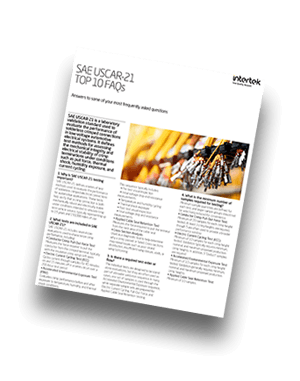
SAE USCAR-21 testing plays an important role in validating solderless crimped electrical connections used in low-voltage automotive applications. For engineers, the value is not simply knowing that testing is required, but understanding how crimp performance is evaluated, what sample quantities are needed, how the test methods work together, and what the results can reveal about design robustness and process capability.
This frequently asked questions guide was designed for those who want a clearer understanding of SAE USCAR-21 without having to piece together requirements from multiple sources. Inside, you will find answers to key questions about pull-out force testing, electric current cycling, accelerated environmental exposure, deduct samples, crimp height validation, and cross-section analysis.
Whether you are supporting terminal design, wire harness development, crimp process validation, or broader electrical system reliability, this FAQ provides a practical starting point for understanding how SAE USCAR-21 testing supports automotive product development and long-term connection performance.
Among the questions answered in this guide:
• Why is SAE USCAR-21 testing important?
• What tests are included in SAE USCAR-21?
• What is the minimum number of samples required for testing?
• What are deduct samples used for?
• Why are multiple crimp heights tested?
• When is cross-section analysis most useful?
Download your free copy by completing the form below.
Related Links
You may be interested in...

Intertek Automotive Solutions
Intertek provides comprehensive automotive testing, inspection, certification, and quality assurance services for global markets, supporting everything from raw materials to components and even fully assembled vehicles.